Mon-Sun 9.00-19.00


Summer allergies – how to deal with hay fever
Переглянути сторінку українською
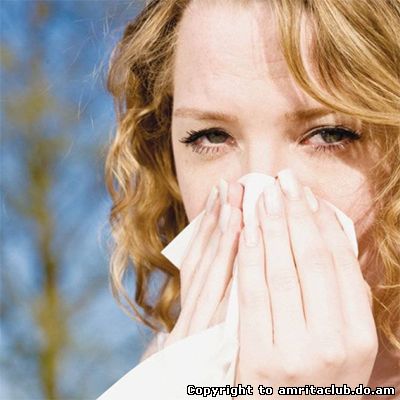
Pollinosis or seasonal allergic rhinitis is an allergic reaction to plant pollen. Previously, the term “hay fever” was common. We owe this name to the English doctor John Bostock, who in 1819 made the first official report on this disease and associated it with hay.
Later it became clear that the cause of the development of seasonal allergies is pollen from wind-dispersed plants. Small particles of pollen easily penetrate the respiratory tract, provoking a reaction of the body. Contrary to popular belief, poplar fluff does not cause allergies – it is too large, and besides, it is a fruit, not poplar pollen. The fluff is spread during the flowering of many cereal plants, the pollen of which is an allergen. But since poplar fluff is easy to notice, it is considered the culprit of seasonal rhinitis in May-June.
Allergy is a reaction of the immune system to usually harmless substances. When an allergen enters the body, a chain of biochemical reactions is triggered – the immune system rushes to fight the enemy, as a result of which histamine is released from the cells, which causes the symptoms.
How to recognize hay fever
If in the case of food allergies it is quite simple to understand the cause of poor health, then hay fever is more insidious – it is often confused with a cold. Its usual symptoms are sneezing attacks, runny nose, irritation and itching in the nose, throat, palate, inflammation and redness of the eye, which sometimes turns into conjunctivitis, sometimes – difficulty breathing, skin rash.
Many people understand that they suffer from allergies only after several years, when they notice that the symptoms appear at the same time of year. To confirm your suspicions, it is best to consult an allergist. You can determine which specific allergen you are reacting to with the help of allergy tests. Suspected allergens are introduced through a scratch or injection. If after twenty minutes redness or swelling appears on the skin around the injection, the reaction is positive. This procedure is inexpensive and safe, but allergy tests cannot be performed during an exacerbation of allergies – the result will be inconclusive.
How to make your life easier
Eliminating contact with pollen is the best way to stop suffering, but it is practically difficult to implement. The allergen is in the air, the wind carries it hundreds of kilometers. But still, you can follow some rules that will help you endure seasonal allergies.
- The highest concentration of pollen in the air is observed on dry and hot days when the wind blows. At such times, it is better to refrain from walking. It is also better not to open windows on such days. It is best if the room has an air conditioner with a filter at the outlet. But after the rain, when the pollen has settled, it is time to ventilate, and it is not scary to take a walk.
- If there is no air conditioning in the room, you can hang a wet sheet or gauze in several layers on the window.
- Do wet cleaning every day. It is also recommended to use air purifiers and humidifiers.
- Take a shower as often as possible. Also, if possible, rinse your mouth and wash your nose.
- If you still want to relax in nature, choose a region with water bodies and a minimum concentration of allergen.
- During an exacerbation of allergies, the nose becomes sensitive to various irritants, such as dust, cigarette smoke, the smell of household chemicals, to changes in temperature and humidity. Try to arrange a gentle regime for your nose, eliminating irritants as much as possible.
Treatment
The most effective way to get rid of allergies is allergen-specific immunotherapy. The method is effective in 80% of cases, allows you to increase the duration of remission up to several years, prevents the development of complications, for example, the transition of allergic rhinitis to bronchial asthma. You can undergo treatment in the cold season, when there is no flowering. If you suffer from allergies in June, immunotherapy is best started in the fall.
During the period of seasonal allergies, antihistamines are usually prescribed, as well as anti-inflammatory and vasoconstrictor drugs. Antihistamines are recommended to be taken daily throughout the flowering period. In this case, it is better to choose the latest generation drugs – third or second, because first-generation drugs are less effective and negatively affect the nervous system – they cause drowsiness, fatigue and inattention.
Natural drugs also work well in the fight against allergies. For example, fish oil has anti-allergenic properties, and the Amrita Company’s herbal preparation based on the medicinal mushroom Mipro-Vit eliminates allergy symptoms. By normalizing the immune system, Mipro-Vit solves the problem from the inside, helping the body to respond correctly to negative factors.
Amrita drugs that can be used for allergies
-
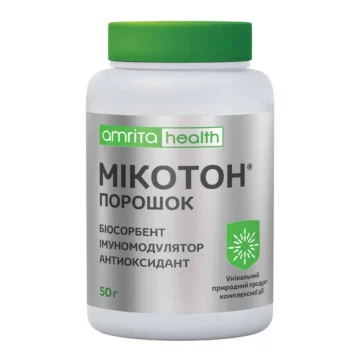
Мікотон® порошок
499,00 ₴ упаковка -
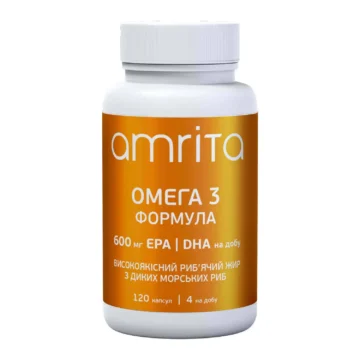
Омега 3 формула
749,00 ₴ упаковка -
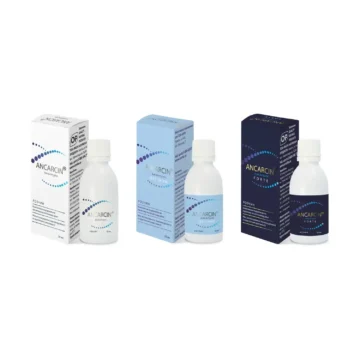
Анкарцин®
Price range: 289,00 ₴ through 1349,00 ₴ упаковка -
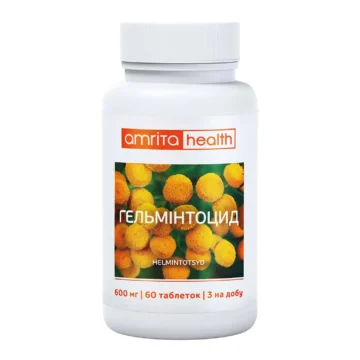
Гельмінтоцид
369,00 ₴ упаковка -
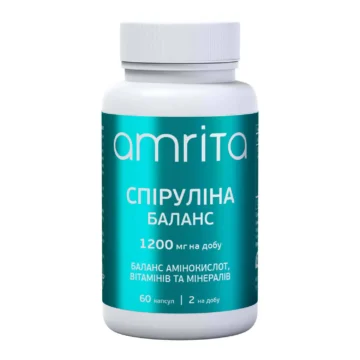
Спіруліна Баланс
369,00 ₴ упаковка -
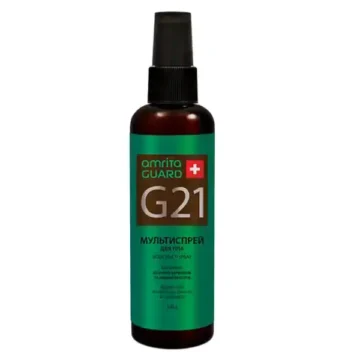
Мультиспрей для тіла з цитрусовими нотками G21
229,00 ₴ упаковка -

Експертний комплекс «Зміцни імунітет»
Price range: 289,00 ₴ through 499,00 ₴ -
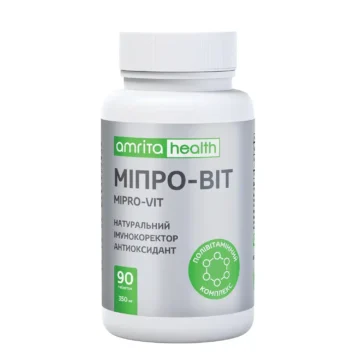
Міпро-Віт
429,00 ₴ упаковка -
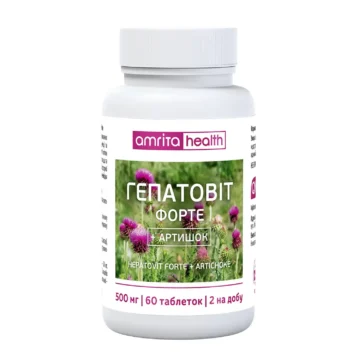
Гепатовіт Форте + артишок
349,00 ₴ упаковка -

Експертний комплекс «Розпочни м’який DETOX»
Price range: 299,00 ₴ through 509,00 ₴ -
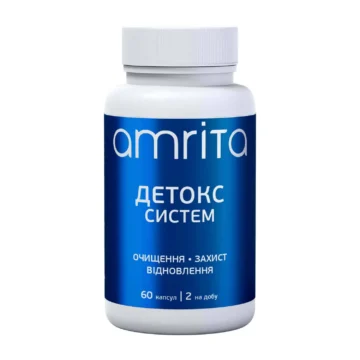
Детокс Систем
509,00 ₴ упаковка -
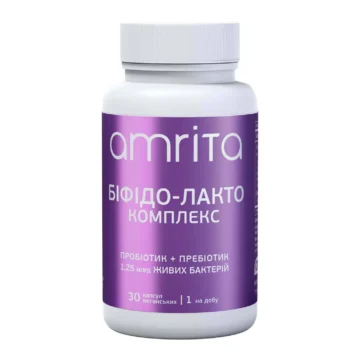
Біфідо-лакто комплекс (1,2 млрд живих бактерій, пробіотик + пребіотик)
359,00 ₴ упаковка


